
Human Always™ Professional Training
Professional Training for the Moments When Dignity Matters Most
Introducing The Other Side of the Door
A dignity-centered training program for EMS, firefighters, law enforcement, emergency personnel, and every professional who enters a private home during a moment of crisis. Because you may know why you were called — but not yet the full story waiting on the other side of the door.
✓ Developed by a gerontologist and caregiving educator reaching 500K+ followers nationwide
✓ Built from real scenarios in dementia care, family caregiving, and home-based crisis response
✓ Currently accepting founding agencies for pilot delivery
dispatch
CALL TYPE — 4:12 AM
"Person combative, uncooperative"
↓ WHAT'S ACTUALLY ON THE OTHER SIDE OF THE DOOR
A woman with advanced dementia, terrified of two strangers in her bedroom in the middle of the night — trying, the only way she knows how, to make them leave.
What the call says / what's actually there
A dispatch code describes the event. It doesn't describe the person.
"Welfare check"
What's actually there
An older adult terrified of losing independence
"Altered mental status"
What's actually there
Someone living with dementia who doesn't understand why strangers just entered the home
"Lift assist"
What's actually there
A caregiver who hasn't slept in days and doesn't know who else to call
"Behavioral disturbance"
What's actually there
A person in pain, afraid, or unable to hear the questions being asked
"Repeated calls, same address"
What's actually there
Unmet home-care needs no one has identified yet
"Person refusing transport"
What's actually there
Fear of the hospital — or fear of never coming home
Why this training exists. A woman living with advanced Alzheimer's became agitated and, in a moment of confusion, injured her husband — a retired critical care nurse. When police arrived, her husband and two adult daughters, one an ER nurse, repeatedly explained that she had advanced dementia. Officers didn't recognize the signs. She was handcuffed. It took several minutes before one officer began to consider that the family might be telling the truth. She was released — but she never should have been restrained in the first place.
This isn't a rare story. It's the reason The Other Side of the Door exists.
The Human Always™ Lens
Five moments where dignity is won or lost
The course walks every scenario through the same five checkpoints — before entering, at the door, inside the home, during care, and before leaving — so the framework becomes second nature on the next call, not just this one.
BEFORE
Before Entering
What do we know — and what are we assuming?
Is this a repeated call?
Could hearing, pain, or medication be shaping this?
At the Door
At the Door
How are we entering this person's space?
Are we speaking to them, or only to the family?
Are we unintentionally creating fear?
INSIDE
Inside the Home
What might look like neglect but isn't?
Is the caregiver exhausted, defensive, or afraid?
Can this person answer the way we're asking?
DURING CARE
During Care
Are we explaining before we touch?
Are we preserving privacy and choice?
Are we talking about them, or to them?
Before Leaving
Before Leaving
Does the family understand what happens next?
Is there an unmet need likely to cause another call?
Did we leave them feeling helped — or handled?
What every participant leaves with
This isn't sensitivity training. It's a usable toolkit.
✓
The Human Always™ Framework
A repeatable five-checkpoint lens — before entering, at the door, inside the home, during care, before leaving — that travels with them to the next call, not just this course.
✓
Practical Communication Tools
De-escalation and dignity-preserving language that works under real time pressure, not just in a classroom.
✓
Real-World Scenario Training
Built from actual dementia-care, family-caregiving, and home-crisis situations — not generic case studies.
✓
Family & Caregiver Dynamics
How to read caregiver exhaustion, fear, and conflict accurately — without treating the family as an obstacle to the job.
✓
Behavior-as-Communication Training
Reframing resistance, yelling, or refusal as a possible expression of fear, pain, or confusion — not simply noncompliance.
✓
Dignity-Centered Physical Assistance
Protocols for privacy, incontinence, and other vulnerable moments that patients remember long after the details fade.
Choose Your Format
Two ways to bring this to your team
3 HOURS
Foundational Course
Best for department in-service, conference sessions, and smaller agencies
The Human Always™ framework
Aging and dignity foundations
Dementia and confusion, explained
Behavior as communication
Family-caregiver dynamics
Practical scenarios and immediate skills
Most Comprehensive
6HOURS
Comprehensive Course
Best for full department training and agencies wanting deeper coverage
Everything in the 3-hour course, plus:
Complex scenarios and case analysis
Capacity, refusal, and dementia vs. delirium
Hoarding and unsafe environments
Continence and intimate-dignity protocols
Repeated calls and family conflict
Group discussion and referral planning
Who This Training Serves
Built for the people who walk through the door first
Fire Departments
EMS & Ambulance
Police & Sheriff's Departments
Mobile Crisis Teams
Community Paramedicine
Hospitals & Emergency Departments
Senior Living Organizations
Area Agencies on Aging
Municipalities & Counties
Training Academies & Universities
EMS & Fire Conferences
Risk & Insurance Organizations
Continuing Education
Where this stands today
Continuing-education approval is in development. A future CAPCE pathway is being pursued for EMS audiences, with a medical-director partnership supporting that process.
Current offerings may be provided as professional enrichment or agency-approved in-service education, and can be structured to fit existing department training requirements.
We'll tell you exactly where CE approval stands for your agency before you commit to anything.
Founding Agency Pilot
Be one of the first agencies to bring this training in.
We're currently working with a small number of founding agencies to pilot The Other Side of the Door — shaping the program alongside the departments who'll use it most. Founding agencies get early access, direct input on scenario content, and priority scheduling as this program scales.
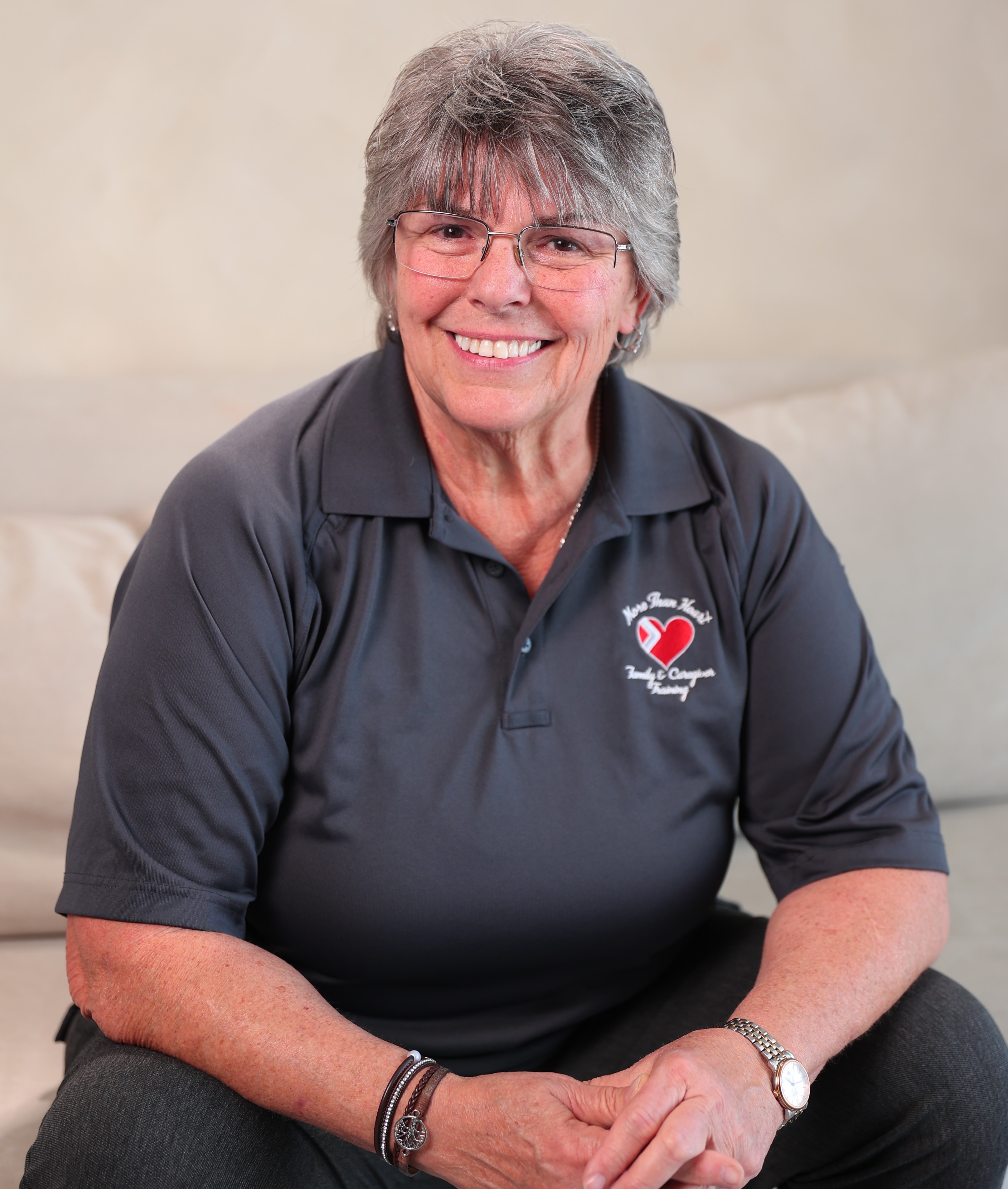
Who's Behind This Training
Sam Cradduck, Gerontologist
Sam has spent her career translating gerontology and caregiving realities into practical, human-first training — reaching families and professionals nationwide.
Gerontologist and caregiving educator
Co-host, Aging Untold podcast
Author and founder of the Human Always™ movement
Founder, The Living Room – Senior Care
Reaches 500,000+ followers with dignity-centered caregiving education
Developed with input from clinical and emergency-response professionals
Bring This Training to Your Team
Tell us about your agency
No pressure, no automated sales sequence. This goes to a real person who will follow up to talk through fit, format, and timeline.
The information, including but not limited to text, graphics, images, webinars, podcasts, and live events from More Than Heart™, is for informational purposes only and is not a substitute for professional medical advice, diagnosis, or treatment.
© 2026 More Than Heart™. All rights reserved.